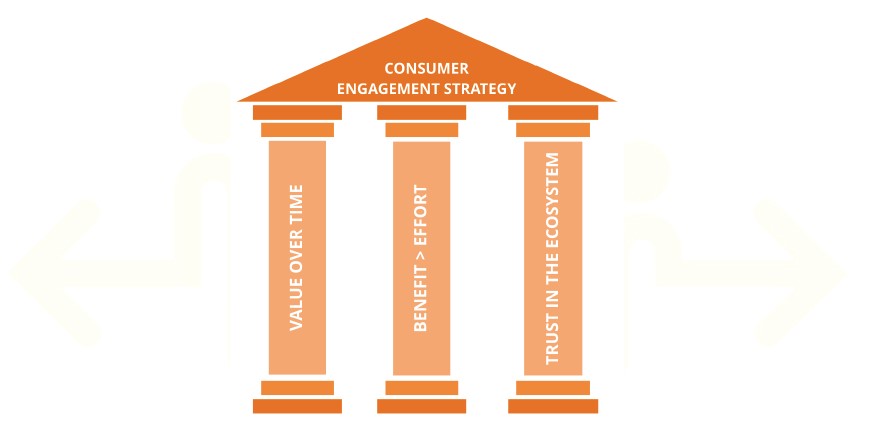
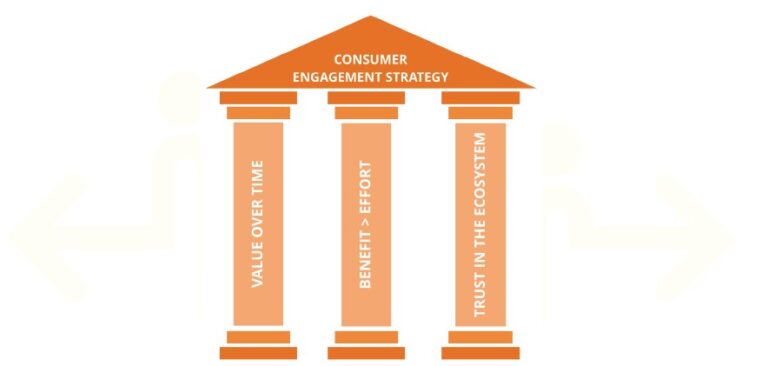
The three-stage consumer engagement strategy is anchored on three pillars that need meeting throughout the three stages identified: value over time; benefits should outweigh costs and trust in the ecosystem, and design principles (personalisation, visibility, simplicity, discoverability, and managed automation).
Recruitment strategy comprises four main elements: target, targeting strategies, communication strategy and KPIs to measure the effectiveness of the other three elements and that serve as the basis for optimizing the campaigns.
Adoption strategy comprises guidelines to facilitate and increase the satisfaction of users during the onboarding. Although onboarding is the shortest stage participants will go through during the entire process, it is a critical stage, as it is in this stage where users adopt the new solution and start adopting the new active role.
Participation strategy for provision or participation in flexibility services averts and tries to neutralize the three main reasons for disengagement (perceived hassle, anticipated anxiety and perception of limited value).
 Climate-neutral and smart cities