
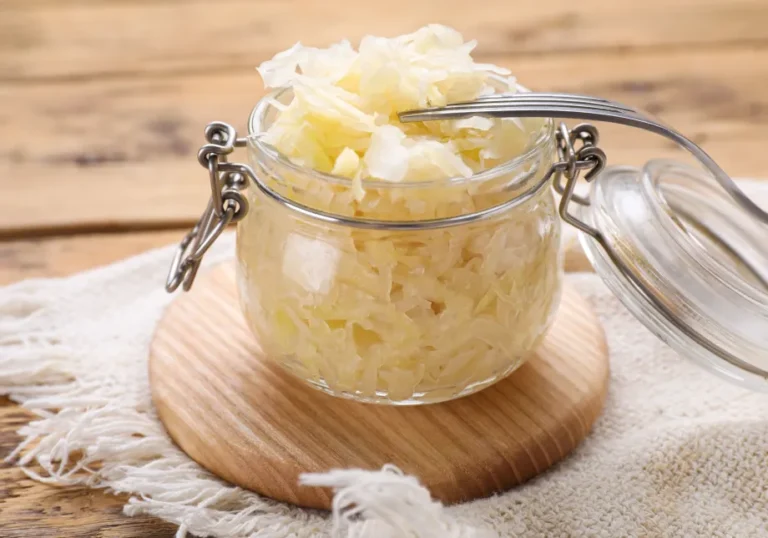
A simple jar of sauerkraut sitting on a kitchen counter may not look like cutting-edge food technology. Yet recently, fermented cabbage has found itself in the spotlight, boosted by social media posts praising its health benefits. For many young people, sauerkraut suddenly feels fresh, trendy -even new.
In reality, fermentation is anything but new. It is one of humanity’s oldest ways of working with food. And perhaps that is exactly why it also holds so much promise for the future.
Naturally occuring microbes preserving the food
Fermentation began long before people understood microbes, chemistry, or nutrition. Before refrigerators, labels, or ingredient lists, people noticed something curious: if certain foods were left to rest under the right conditions, they didn’t spoil. They changed. Milk became yogurt. Cabbage turned pleasantly sour. Dough rose, bubbles formed, flavors deepened.
This was fermentation at work, even if no one called it that. Naturally occurring microbes -bacteria and yeasts were quietly transforming food. Archaeological evidence suggests that fermented foods have been part of human diets for at least 8,000 years, possibly longer.
Traditional fermentation solved very practical problems. It made food safe to eat for months. It made hard-to-digest ingredients easier to eat. And it created tastes and textures that people came to love. Over time, fermentation became part of everyday life, passed down through families and cultures. People may not have known why it worked, but experience proved that it did.
Same principle, new understanding
Today, traditional fermentation has moved from kitchens and cellars to a standard process in large scale food industry. In parallel, a new wave of modern fermentation has evolved. When traditional food fermentation is used to tailor the raw material and end production quality, in the modern fermentation, microorganisms transform raw materials into something new.
In modern fermentation, we can choose specific microbes, control conditions carefully, and use a wide variety of raw materials. This means fermentation is no longer only about preserving food or tailoring food properties. Today, it is about producing food ingredients in a totally new way: microbes produce proteins, fats, flavors, or functional ingredients that can be used in many kinds of foods. Or microbial biomass itself can be the food ingredient, rich in protein and fiber, and other nutrients.
Importantly, this does not mean turning food into something unfamiliar or unnatural. It simply gives us better and more versatile tools to work wisely and to build a more sustainable and resilient food system.
Old friends, new roles
Many of the microorganisms used in future foods are close relatives of those that have been with us all along. Lactic acid bacteria from sourdough, yeasts related to brewing, and fungi used in traditional foods are now being studied and refined for new purposes.
Future foods may combine plant-based raw materials, animal-based ingredients, and components produced with modern fermentation in thoughtful ways. These so-called hybrid foods are not about choosing sides, but about balance. Modern fermentation can produce nutrient-rich ingredients that support everyday meals. These ingredients add protein or balance nutrition to foods people already enjoy. In this way, modern fermentation helps food evolve without asking consumers to give up familiar tastes or traditions.
Yesterday’s curiosity, today’s comfort
It is easy to forget that many foods we now consider ordinary were probably once met with suspicion. Yogurt, cheese, and sauerkraut may have raised eyebrows when they first appeared. Someone, long ago, surely wondered why anyone would eat milk that had gone thick or cabbage that had turned sour.
Today, we hardly think twice. What was once strange became normal, and eventually comforting.
We may be standing at a similar moment now. Some future foods may sound unfamiliar at first, but they are built on the same simple idea that has always guided fermentation: letting nature do part of the work.
From ancient food traditions to modern innovation, fermentation links past experience with future possibilities in a consistent way. It is efficient, reliable, and familiar across cultures. Perhaps that is why, even in times of rapid change, fermentation feels reassuring. It reminds us that progress does not always require starting from scratch. Sometimes it builds on practices that have served us well for thousands of years.