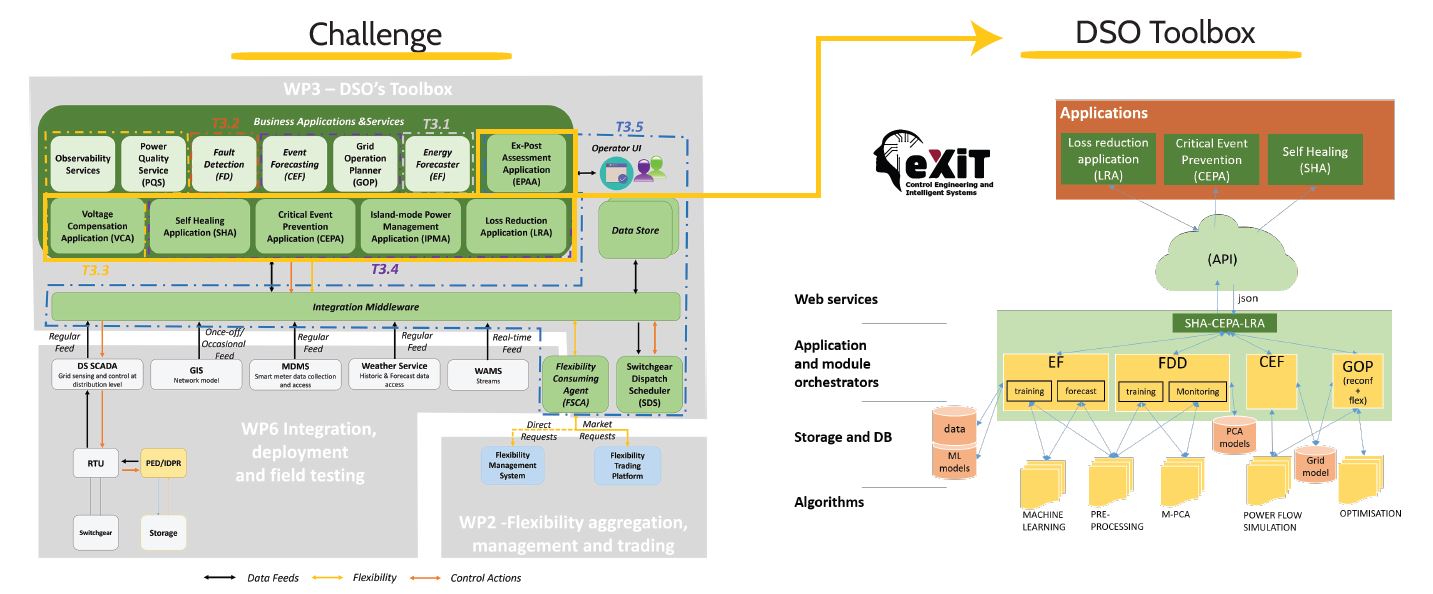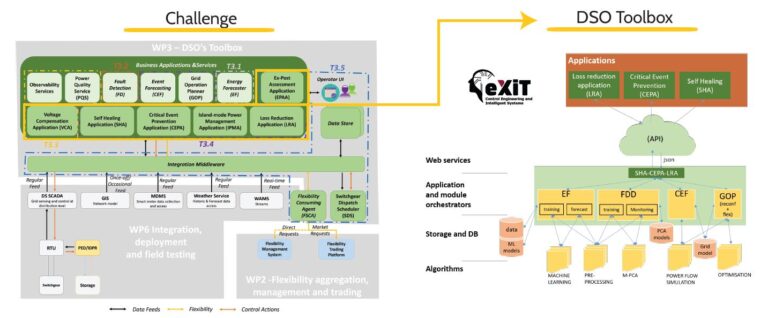
The principal target group for CEPA and LRA are Distribution System Operators (DSO). CEPA allows for early detection of possible congestions and their avoidance thanks to implementation of mitigation plan by demanding flexibility. Grid congestion occurs due to transmission constraints, for example, as transmission lines reach thermal capacity, line losses increase. Since every line loss also means loss of money, early detection of congestions helps to decrease the cost of energy transmission.
LRA helps optimizing exploitation of the existing grid capacity reducing the losses. The presence of high peaks on the power profile of the substations has disadvantages such as high-power losses in the transmission lines, which increases the maintenance costs or generates high emissions of carbon dioxide. Performing peak shaving on the distribution feeders can have several benefits at different levels, reducing the aforementioned disadvantages and even the economic costs, since the price typically is higher with a high demand of energy.