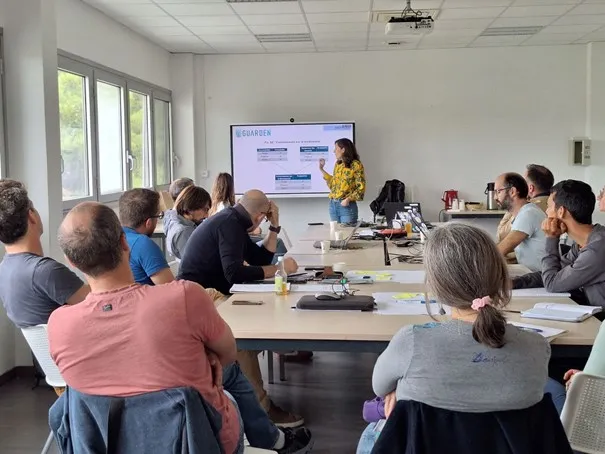
Main features: A structured methodology for establishing and managing Multi-Stakeholder Partnerships (MSPs). Includes stakeholder mapping and engagement tools, user needs elicitation through surveys and workshops, and co-design of biodiversity decision-support tools and KPIs aligned with local contexts.
Objectives: To ensure active, equitable stakeholder participation and define user-driven requirements for biodiversity monitoring tools, enabling more effective and inclusive biodiversity and ecosystem management decisions.
Advantages: Enhances tool relevance and usability, strengthens collaboration across diverse stakeholders, and reduces conflict in biodiversity-related decisions
What is new: Adaptive, stakeholder-centred approach tailored to each case study.
Why is it important: Ensures biodiversity is embedded in planning and infrastructure decisions, empowers stakeholders, and provides a replicable model for biodiversity governance projects