Result description
Livestock farming is a major source of GHG and NH₃ emissions, mainly from barns and manure storage. A promising, way to reduce these emissions is the use of biochar—a carbon-rich material made from biomass pyrolysis—applied directly to livestock manure as an easy-to-use practical solution for livestock operations.
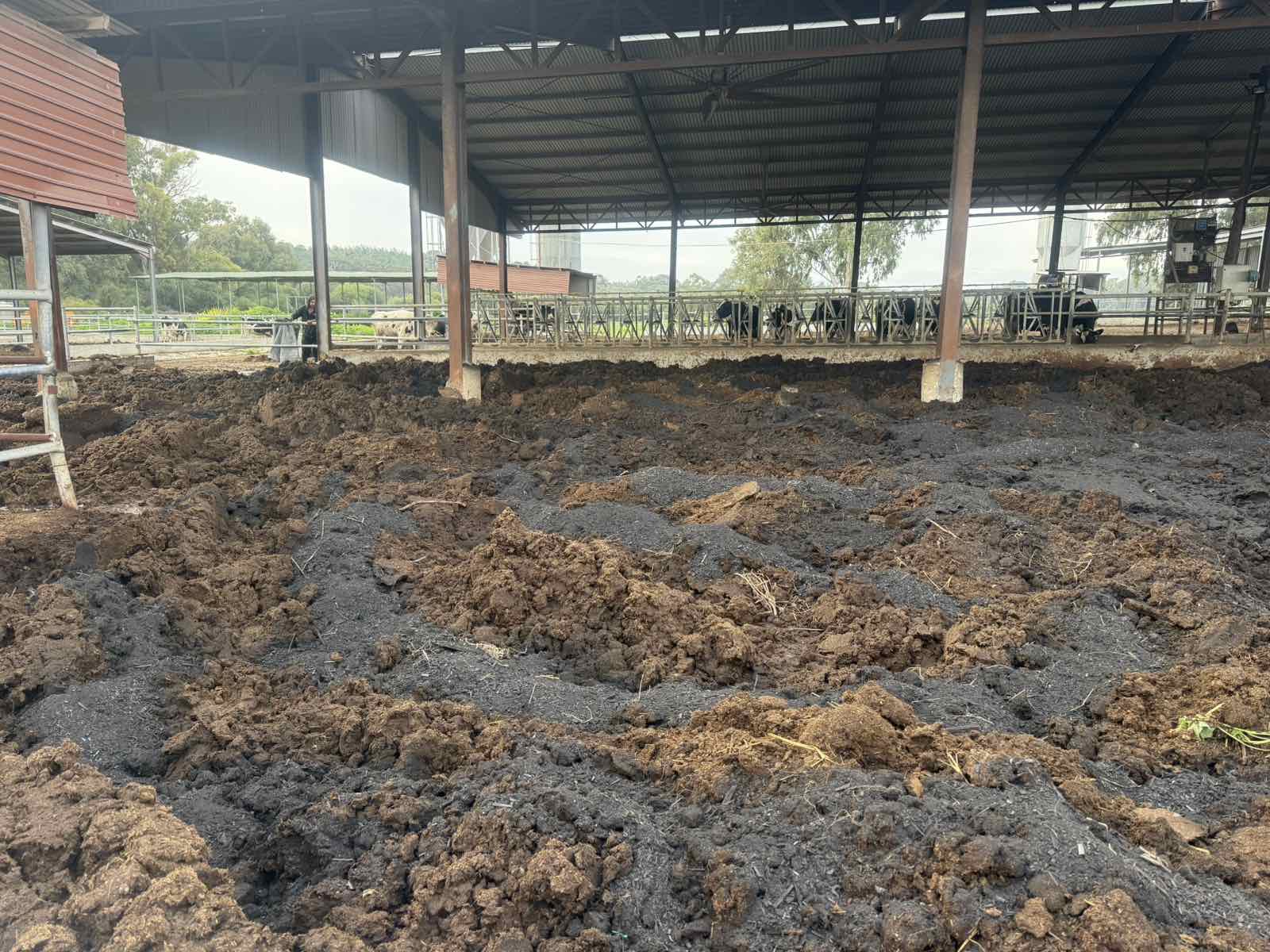
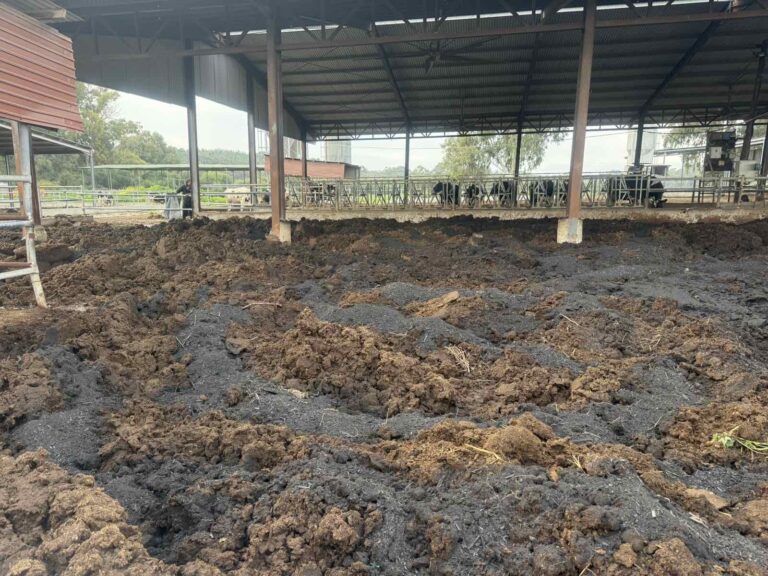
This technology wants to highlight that applying biochar in barns or on stored manure (at doses ranging from 2–10% w/w) can reduce emissions of CH₄, nitrous oxide N₂O, and NH₃.
The goal of this work is to provide scientific proven solutions to farmers and livestock managers by demonstrating the potential of biochar through on-site emission monitoring and under real-farm conditions. This method can help producers comply with environmental standards and support climate-smart practices without requiring significant investment or operational changes.
This innovation offers a nature-based solution for reducing GHG emissions and directly contributing to the EU’s commitment
The use of biochar with livestock manure has shown clear potential to reduce emissions of key gases. Reductions in nitrous oxide (N₂O) and ammonia (NH₃) were observed, while methane (CH₄) remained largely unaffected. Biochar also helped stabilize emissions over time, likely due to its capacity to retain nutrients and limit volatilization. Ongoing experiments and measurements will provide further insights into emission patterns and long-term impacts under different farm conditions.
Addressing target audiences and expressing needs
- We are sharing our knowledge
Livestock producers interested in reducing their environmental footprint
Policymakers working on emissions regulations or agricultural industry
- Others/ No specific audience
Result submitted to Horizon Results Platform by YPOURGEIO GEORGIAS, AGROTIKIS ANAPTYXIS KAI PERIVALLONTOS