This service provides high-precision thermal conductivity measurement of building materials using the Guarded Hot Plate (GHP) method, one of the most established and accurate techniques for evaluating thermal performance under steady-state conditions. This laboratory-based method is especially suitable for insulation materials, wall panels, and composite construction elements in their flat form.
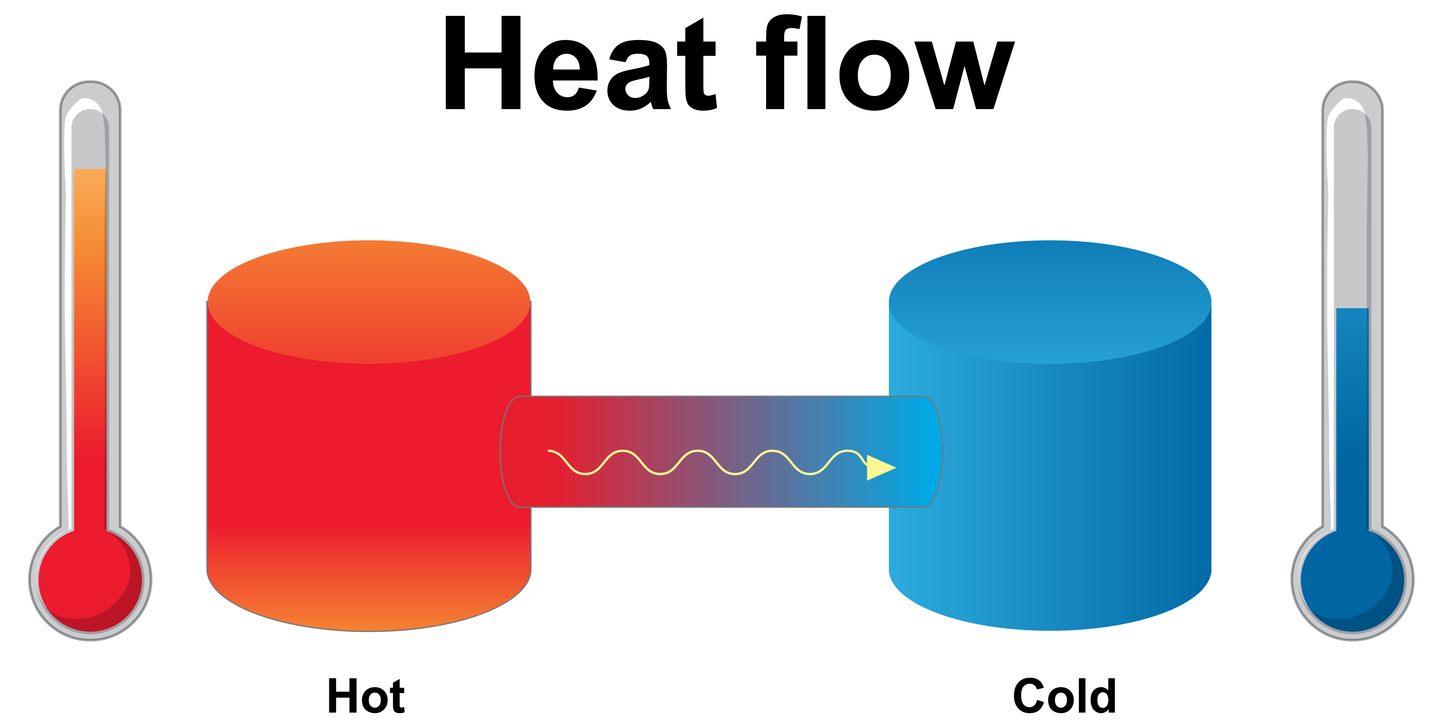
Thermal conductivity (λ-value) is a fundamental property indicating how efficiently a material conducts heat. A lower λ-value means better insulation performance, which directly impacts energy efficiency and thermal regulation in buildings.
The GHP method, performed in compliance with ISO 22007-2:2015, EN 12667:2001, and ASTM C177-13, involves placing the test sample between a central guarded heating plate and two cooling plates. The temperature difference across the sample is carefully maintained, and heat flow is monitored through the system. The setup is designed to eliminate lateral heat loss, ensuring that the measured heat flow is strictly one-dimensional and representative of true thermal conduction.
The NTUA laboratory is equipped with a calibrated Guarded Hot Plate apparatus capable of testing materials within a 5–100 mm thickness range, and sample dimensions of 300 × 300 mm. For each test, two identical samples are required to ensure symmetrical heat transfer and accurate calculation of the λ-value.
The GHP method is particularly effective for homogeneous, flat materials, including mineral wool, polystyrene, bio-based panels, and innovative composites. It is widely used for material certification, R&D benchmarking, and design validation, and it can support compliance with EU energy performance directives and product labeling requirements.